Performance anxiety · London and online
How to overcome performance anxiety
Performance anxiety is a pressure response your body learned, and it can learn a better one. Here's how it works, and how to turn it round.
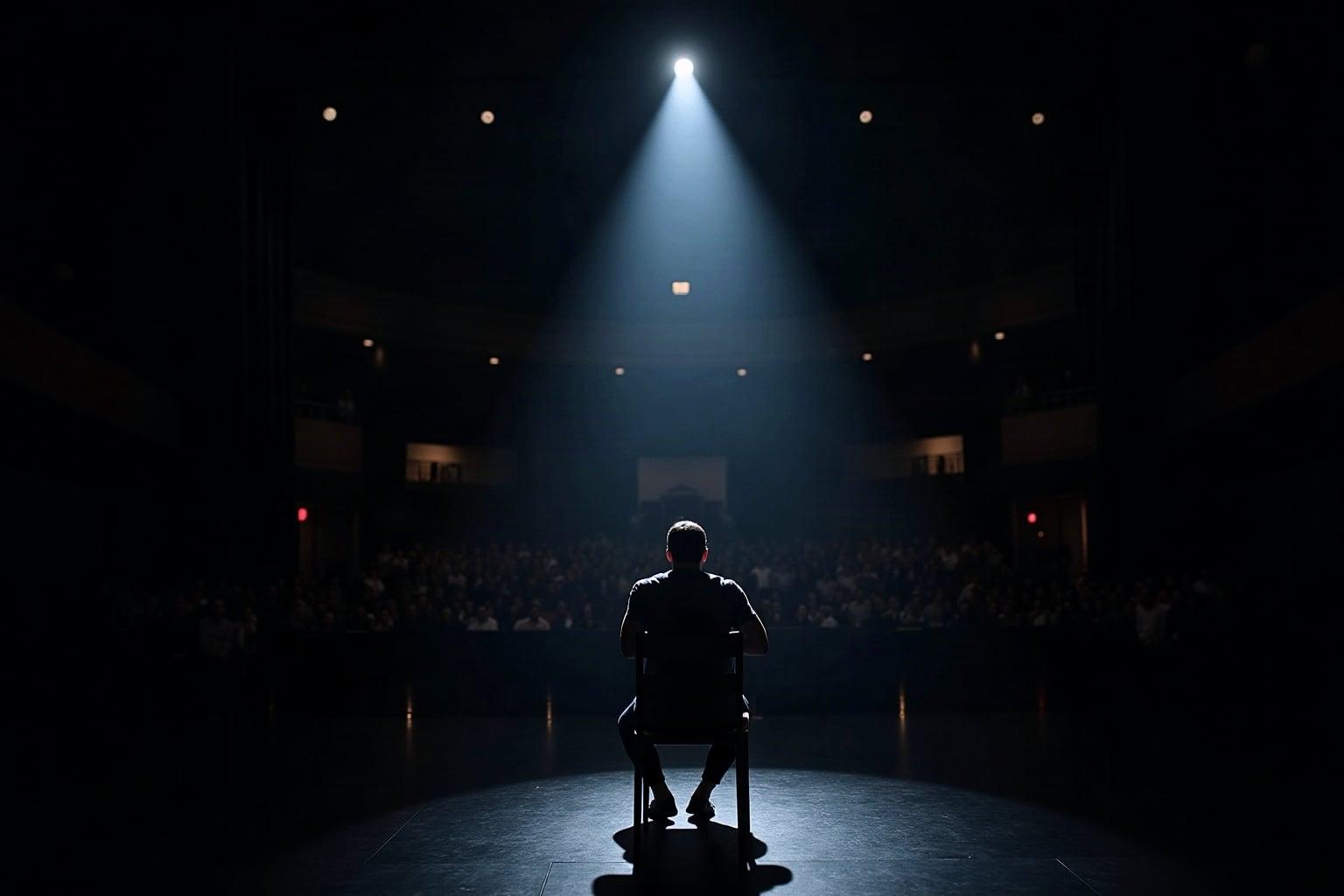
What is performance anxiety?
Performance anxiety is the surge of fear that arrives when you're about to be seen, judged or measured: before a presentation, an audition, an exam, a match or a big meeting. Your heart races, your mouth dries, your hands shake and your thinking narrows. It's your body's alarm treating a performance like a threat. It's common in confident, capable people, and it tends to be strongest in the things they care about most.
Why it happens
The alarm system that protects you from danger can't tell the difference between a predator and an audience. If a past performance went badly, or if you've simply rehearsed the worst outcome in your head many times, your mind learns to fire the alarm whenever a similar moment arrives. Avoiding the situation brings relief, which teaches the alarm it was right. That loop is what keeps performance anxiety going.
How to overcome performance anxiety: what works
1. Retrain the response, not just the thoughts
Positive thinking alone rarely reaches the alarm. Rehearsing the situation in hypnosis, while your body stays calm, teaches the alarm a new pattern. That's the core of my approach.
2. Build a reliable pre-performance routine
A short, repeatable routine of breathing, a physical anchor and one focusing phrase gives your nervous system something familiar to hold on to.
3. Change what you focus on
Anxiety pulls attention inward, onto your symptoms. Training your focus outward, onto your audience, your task or your first line, takes the fuel away.
4. Prepare differently
Over-preparing to feel safe often feeds the fear. We plan preparation that builds confidence rather than checking for danger.
5. Debrief kindly
After each performance, notice what went well first. That teaches your mind to expect success next time.
Common signs of performance anxiety
- A racing heart, shaking hands or a trembling voice
- Dry mouth, nausea or butterflies
- Mind going blank or racing
- Dreading the event for days beforehand
- Avoiding opportunities you'd otherwise enjoy
- Replaying what went wrong afterwards
Performance anxiety at work
At work it often looks like over-preparing, staying quiet in meetings, turning down presentations or feeling sick before appraisals. It can hold careers back for years. The same approach applies: retrain the response, build a routine, and practise in hypnosis until the moments that used to feel threatening feel ordinary.
Where clients feel it
- Presentations, pitches and interviews
- Stage, music and acting
- Sport and competition
- Exams and assessments
- Video calls and being on camera
Performance anxiety in performers and musicians
For actors, musicians and dancers, performance anxiety can affect auditions, opening nights, recitals and recordings. Physical symptoms matter more when your body is your instrument: a shaking bow arm, a tight throat, a dry mouth. Hypnosis helps the body stay loose and responsive while your attention goes to the music, the scene or the movement.
Performance anxiety in exams and assessments
Students and professionals facing exams, assessment centres or driving tests often know their material and freeze anyway. We rehearse the day itself, from walking in to turning the first page, so it feels familiar rather than threatening.
What not to do
- Don't wait for the fear to vanish before you act; confidence follows action
- Don't rely on avoidance; it brings relief today and more fear tomorrow
- Don't keep replaying worst-case scenarios in your head
- Don't judge yourself by your symptoms; judge yourself by what you did
How hypnotherapy helps
In sessions we combine coaching, NLP and hypnotherapy. You describe the moment that triggers you. In hypnosis you rehearse it, step by step, from a settled state, until the old alarm no longer fires. On top of that, you'll have a self-hypnosis routine for the final days and minutes before you go on. For skills on stage, see public speaking coaching; for general worry outside performance, see hypnotherapy for anxiety.
Questions about performance anxiety
Will the nerves disappear completely?
Most clients keep a little adrenaline, and that's useful: it sharpens you. What goes is the overwhelming part that scrambles your thinking.
How quickly can it change?
Often within a few sessions, especially when we're working towards a specific date.
Is performance anxiety the same as stage fright?
Stage fright is one form of it. The same approach works whether the stage is a theatre, a boardroom or a sports field. See how to overcome stage fright.
Can I see you alongside my GP?
Yes. Keep taking any medication as prescribed: Tim is happy to work alongside your GP or medical team.
Can musicians and actors get help?
Yes. Auditions, recitals, opening nights and recordings are common reasons clients come to me.
Can I overcome performance anxiety on my own?
The tips on this page help, and many people improve with practice alone. Where the reaction is strong or long-standing, working with a hypnotherapist speeds things up because we retrain the response directly rather than relying on willpower in the moment.
Your first call is free: 15 to 30 minutes on the phone or video. Or ring 07923 495558.